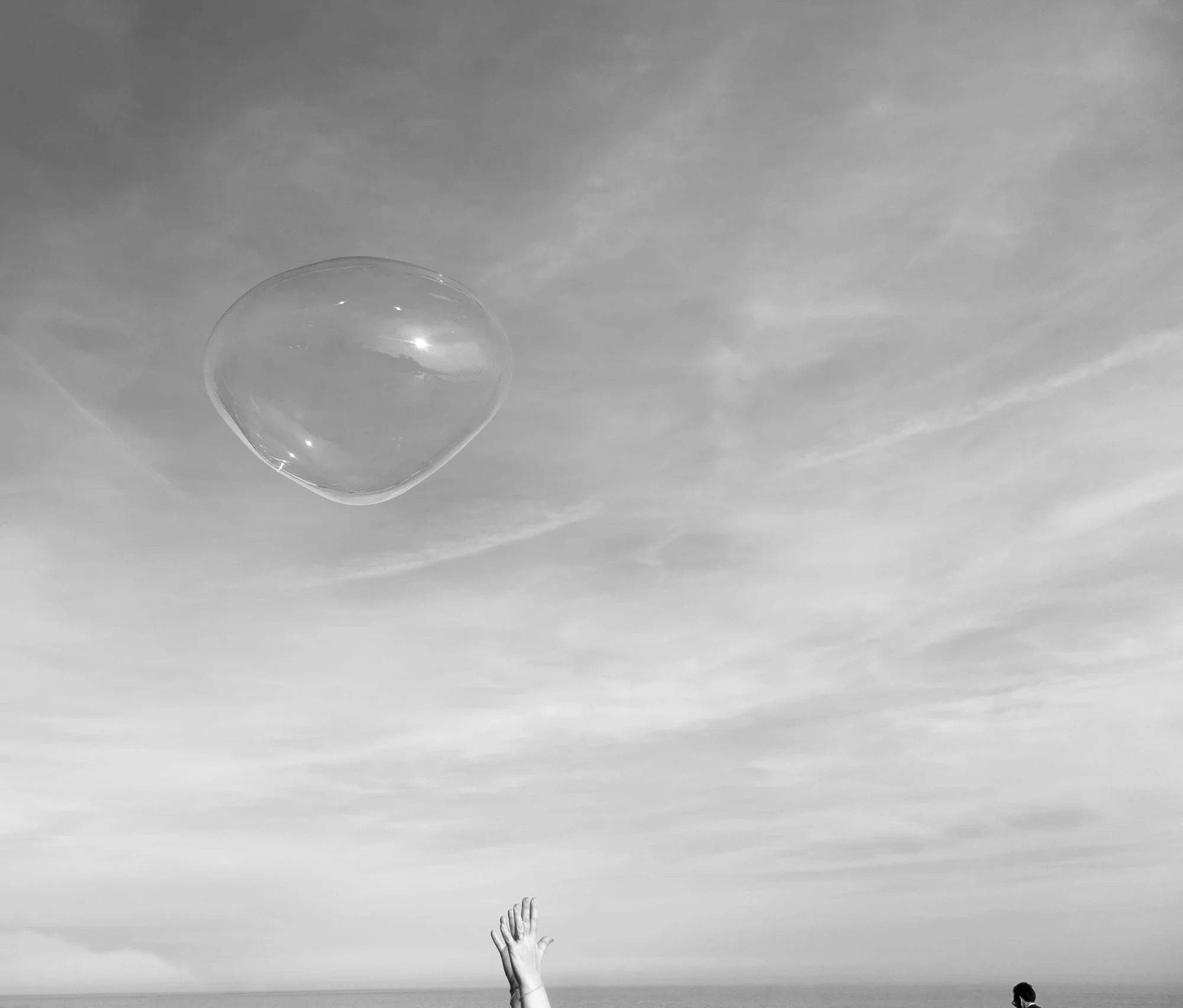
Human behavior
Thematically, I work with an artistic representation/interpretation of human behavior.
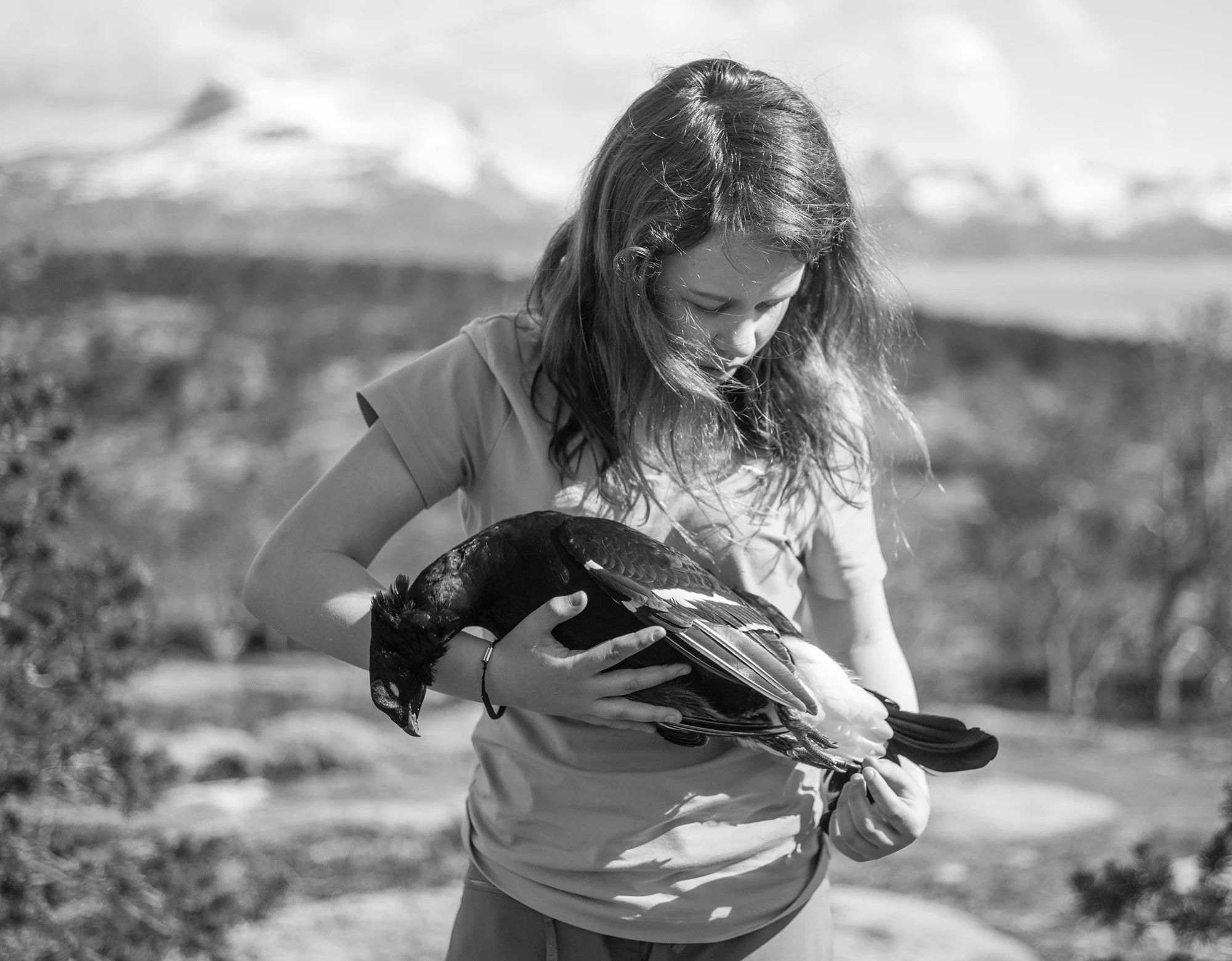
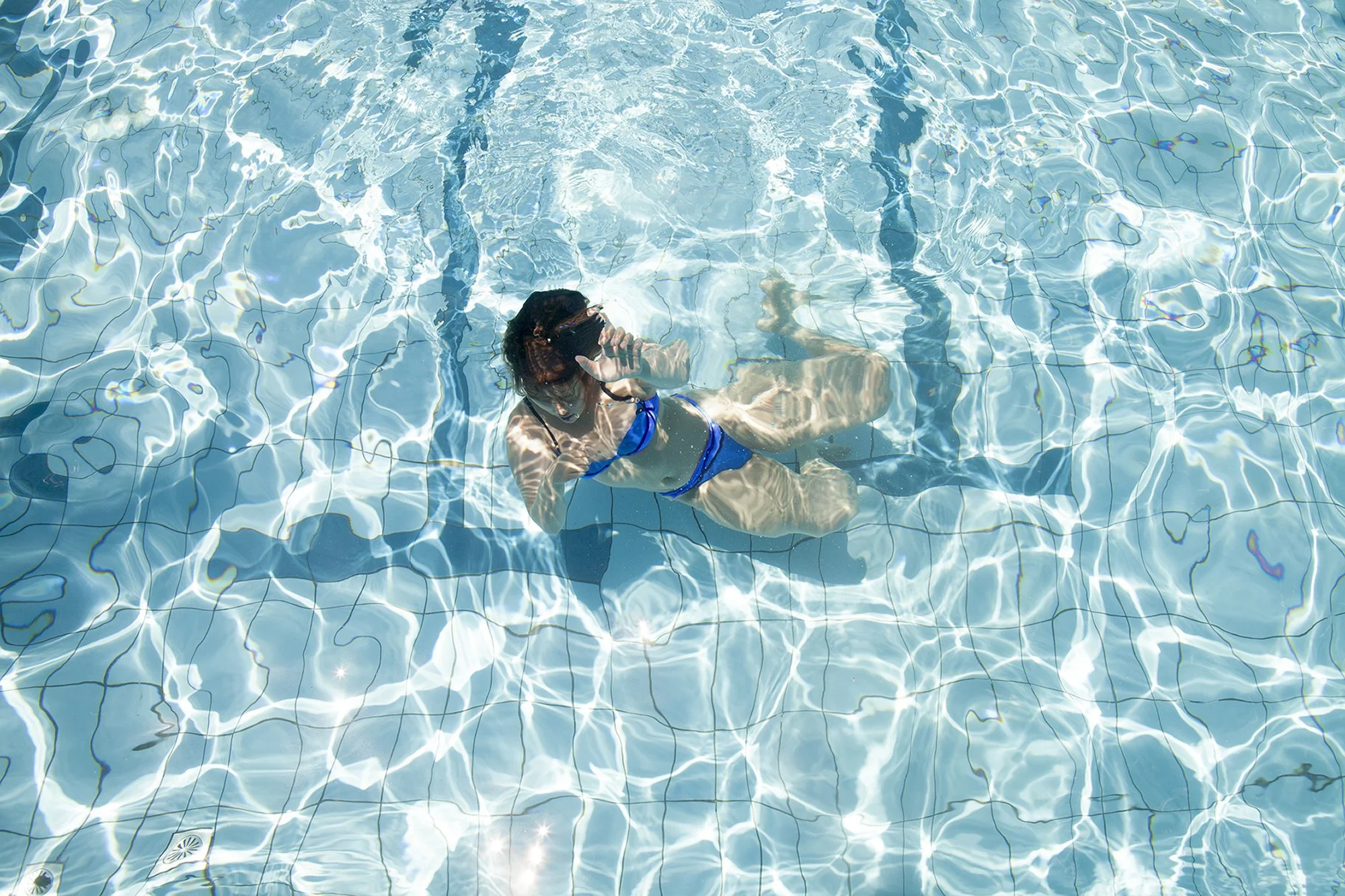
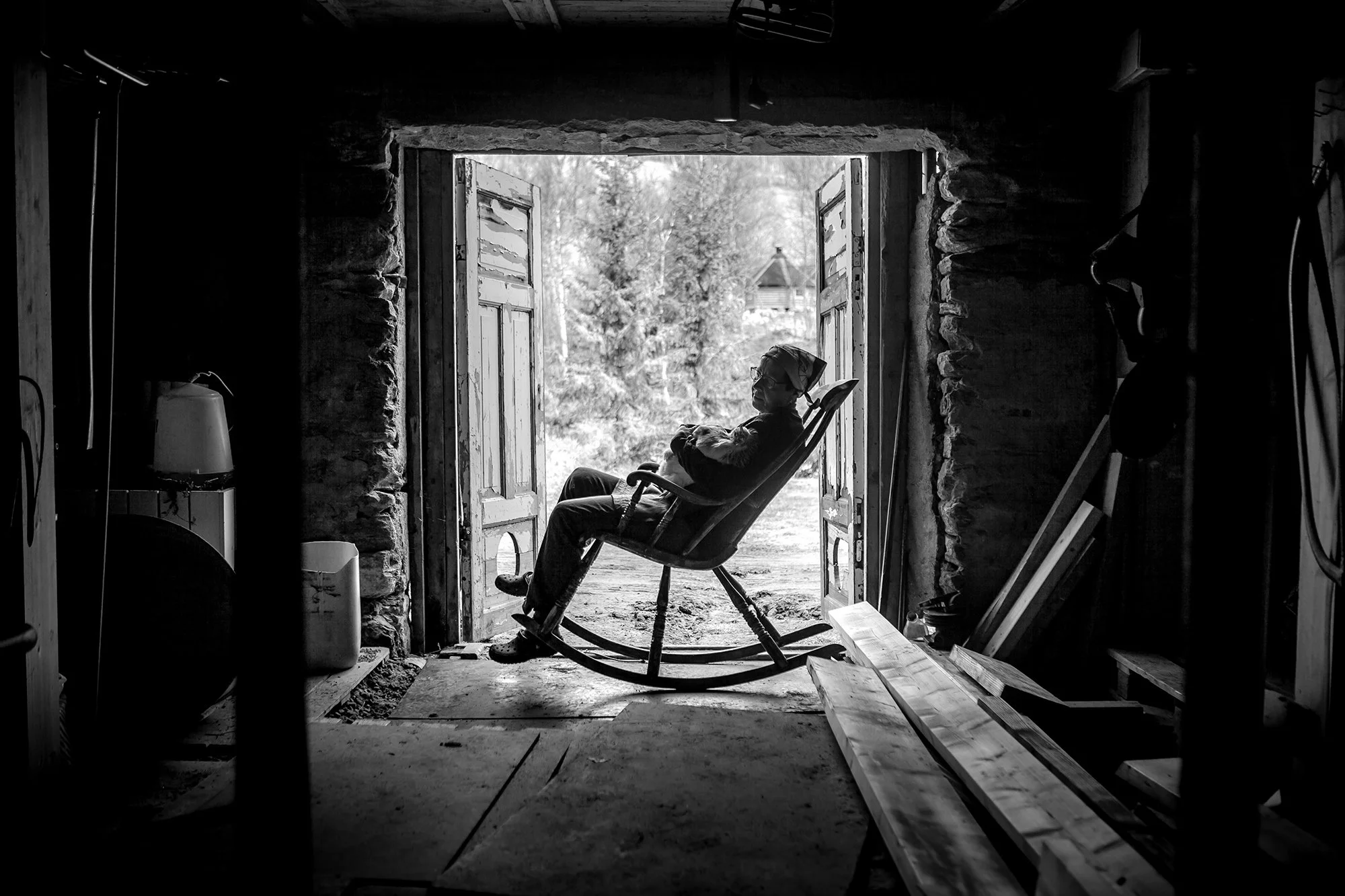
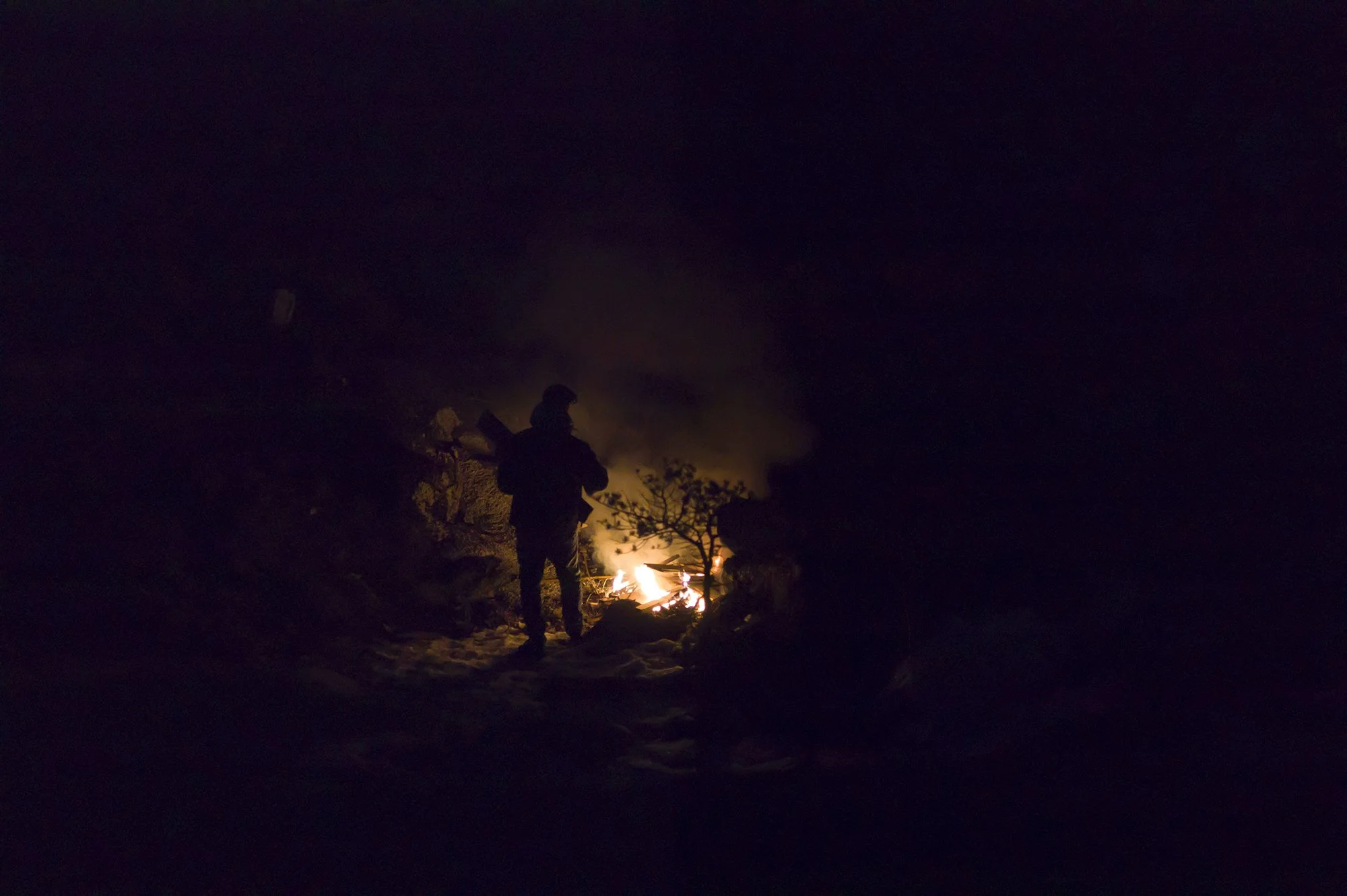
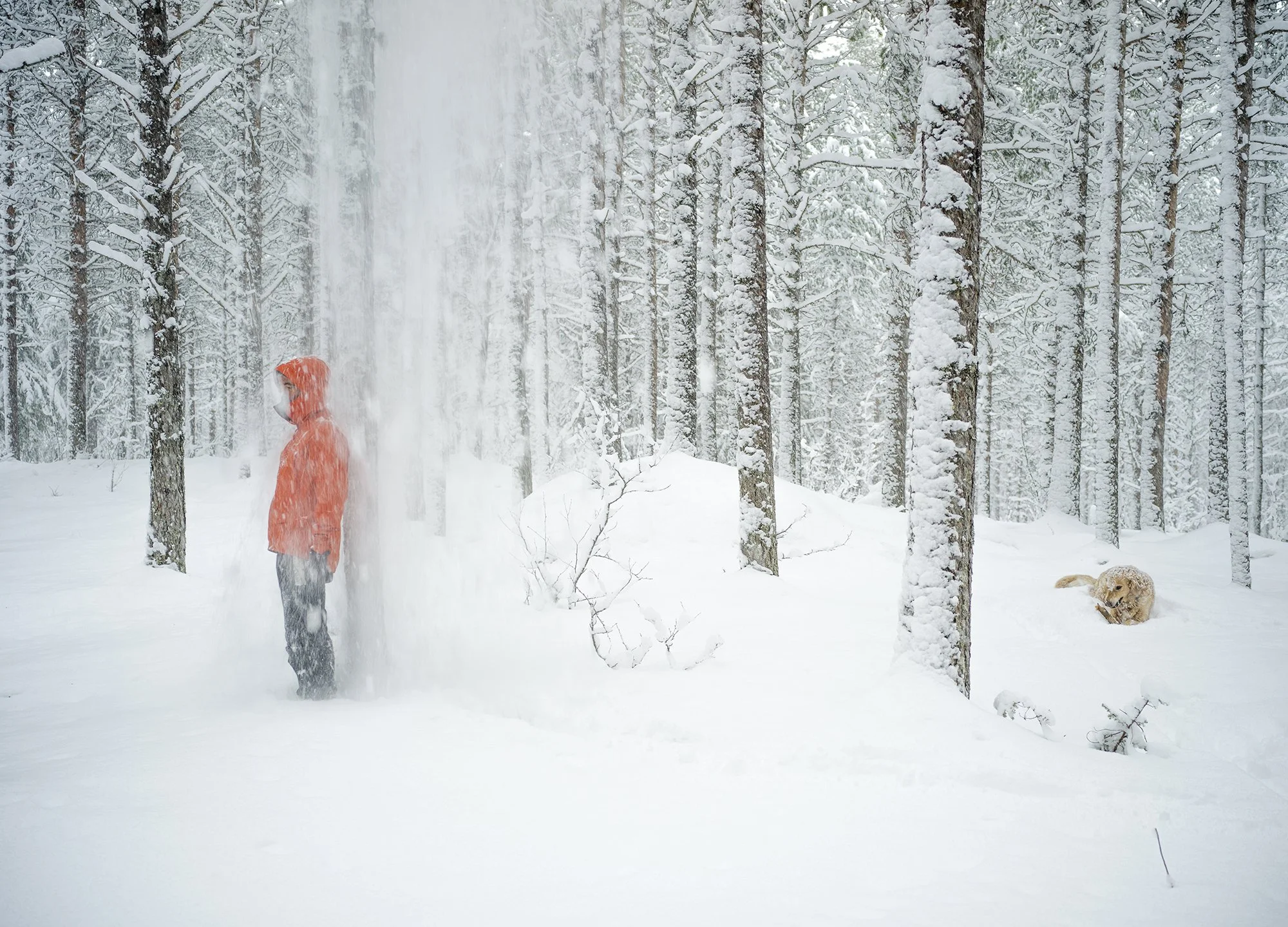
The images tend towards both staged and documentary photography, with these two genres' inherent opposition creating an ambivalence. The direction is discreet, the people play no clear roles, they just are.
Human Behavior refers to actions, and observes emotions associated with individuals, as well as humanity as a whole. While specific traits of one's personality and temperament may be constant, other behaviors will change as one moves through life. In addition to being dictated by age and genetics, behavior is driven in part by thoughts and emotions, and provides insight into the individual's psyche, our behavior reveals attitudes and values, among other things.
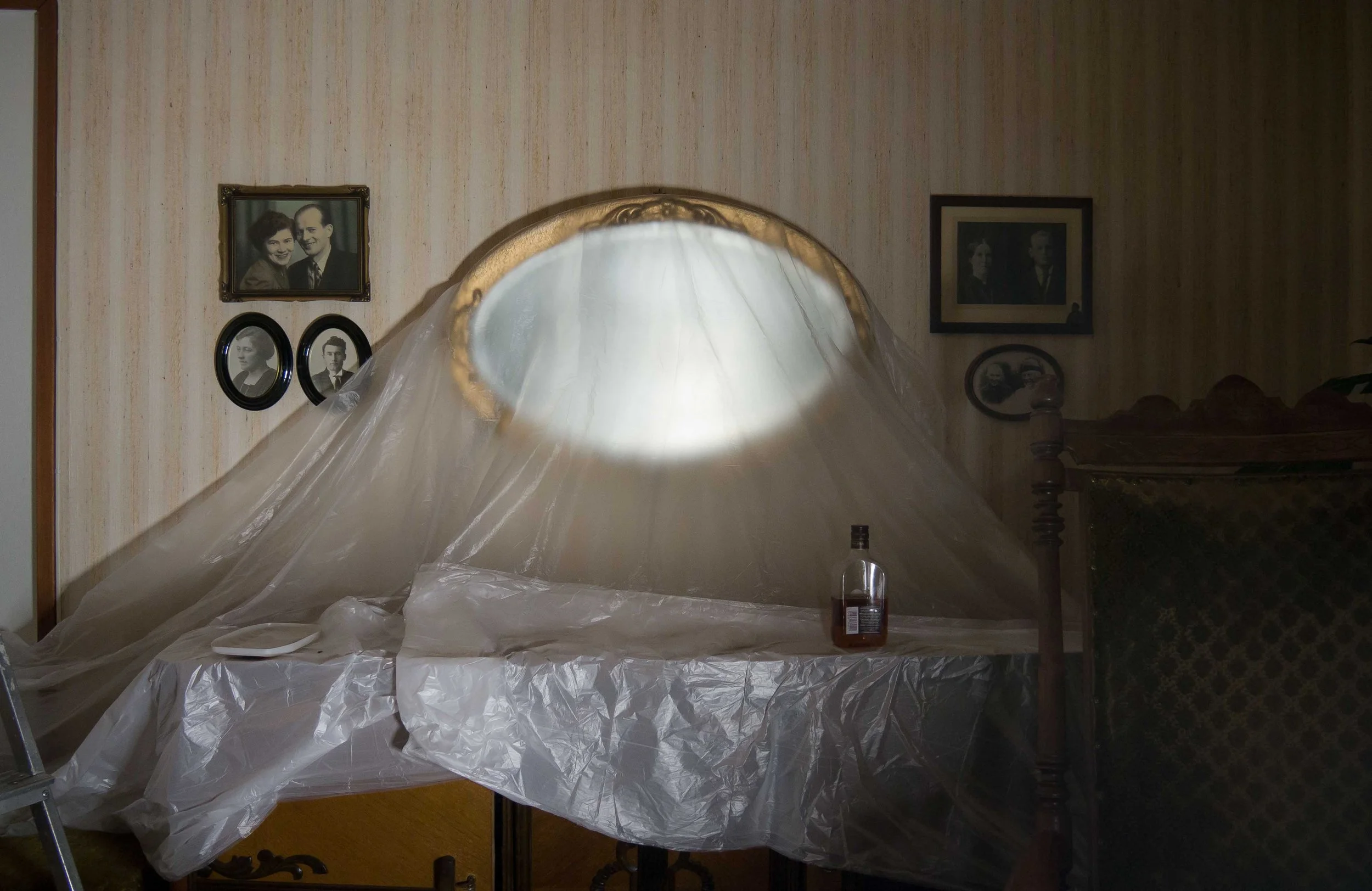
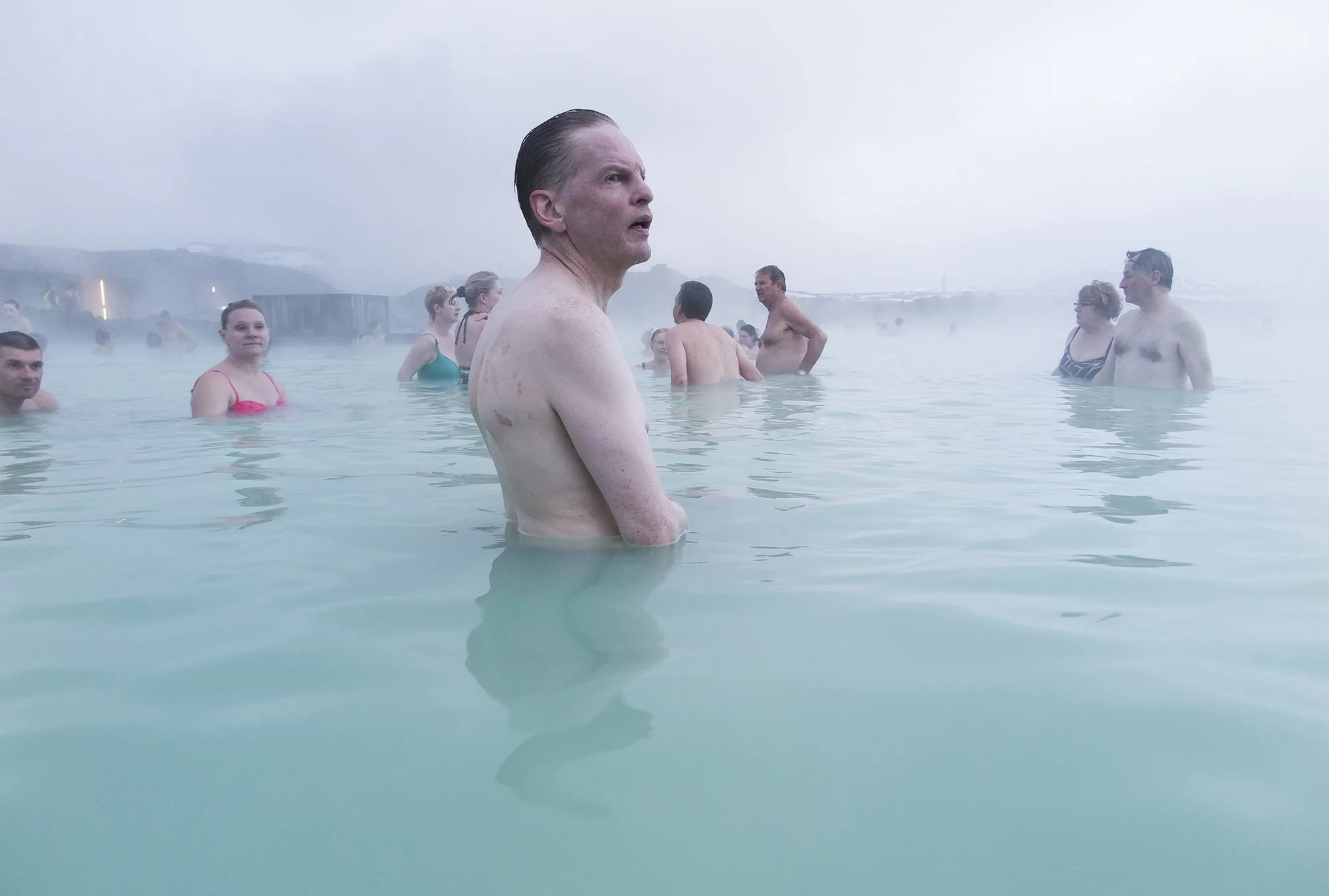
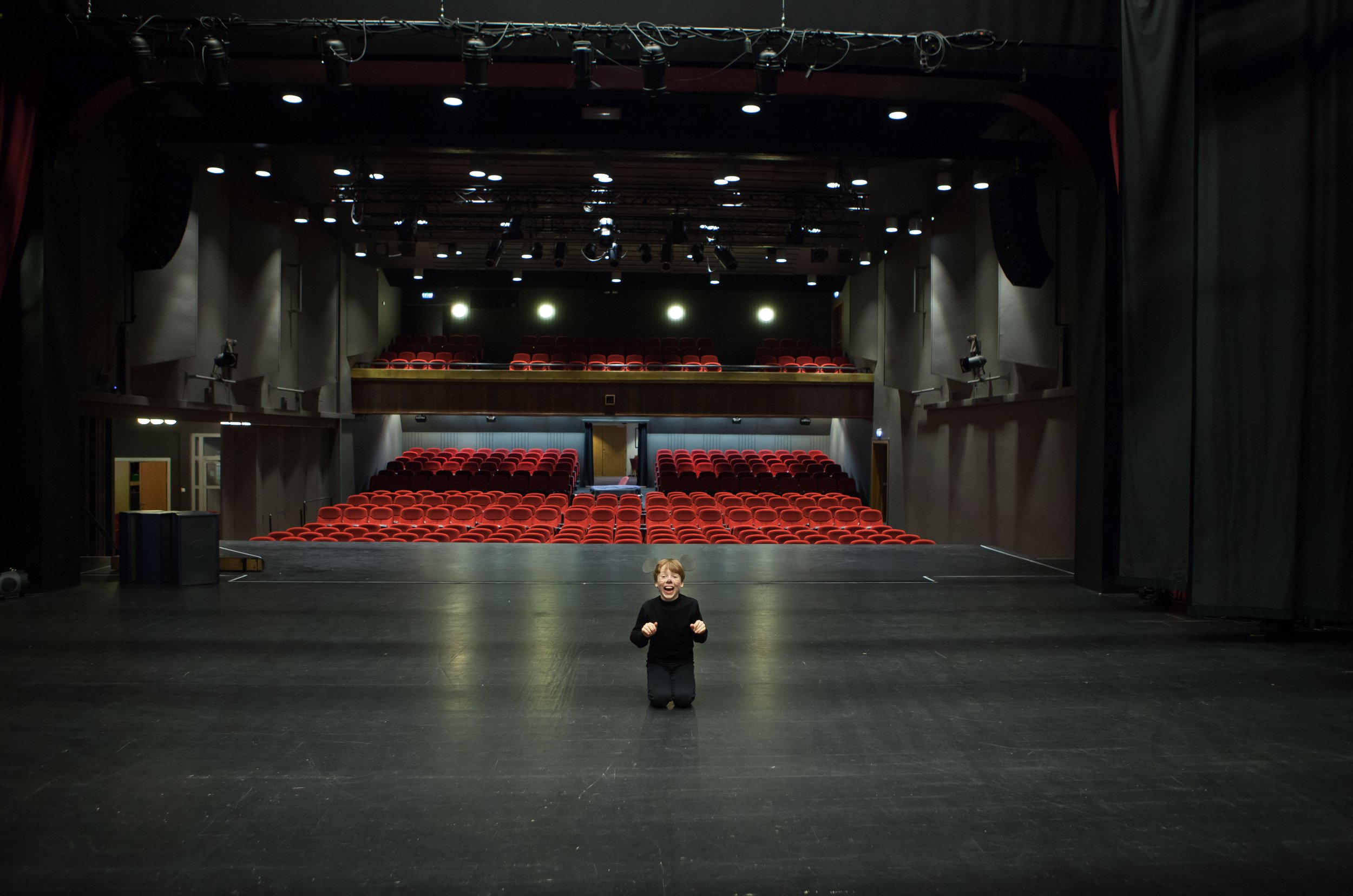
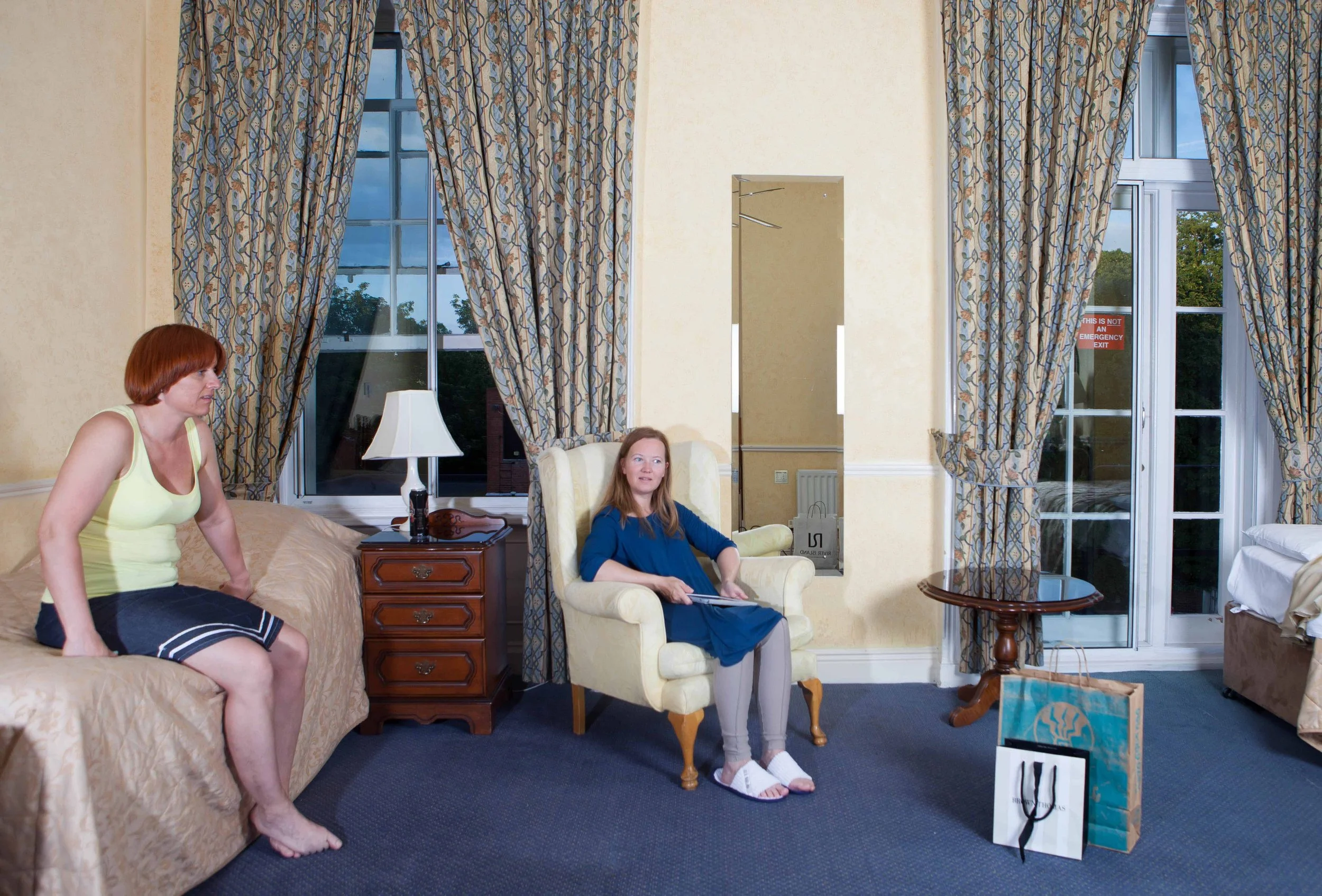
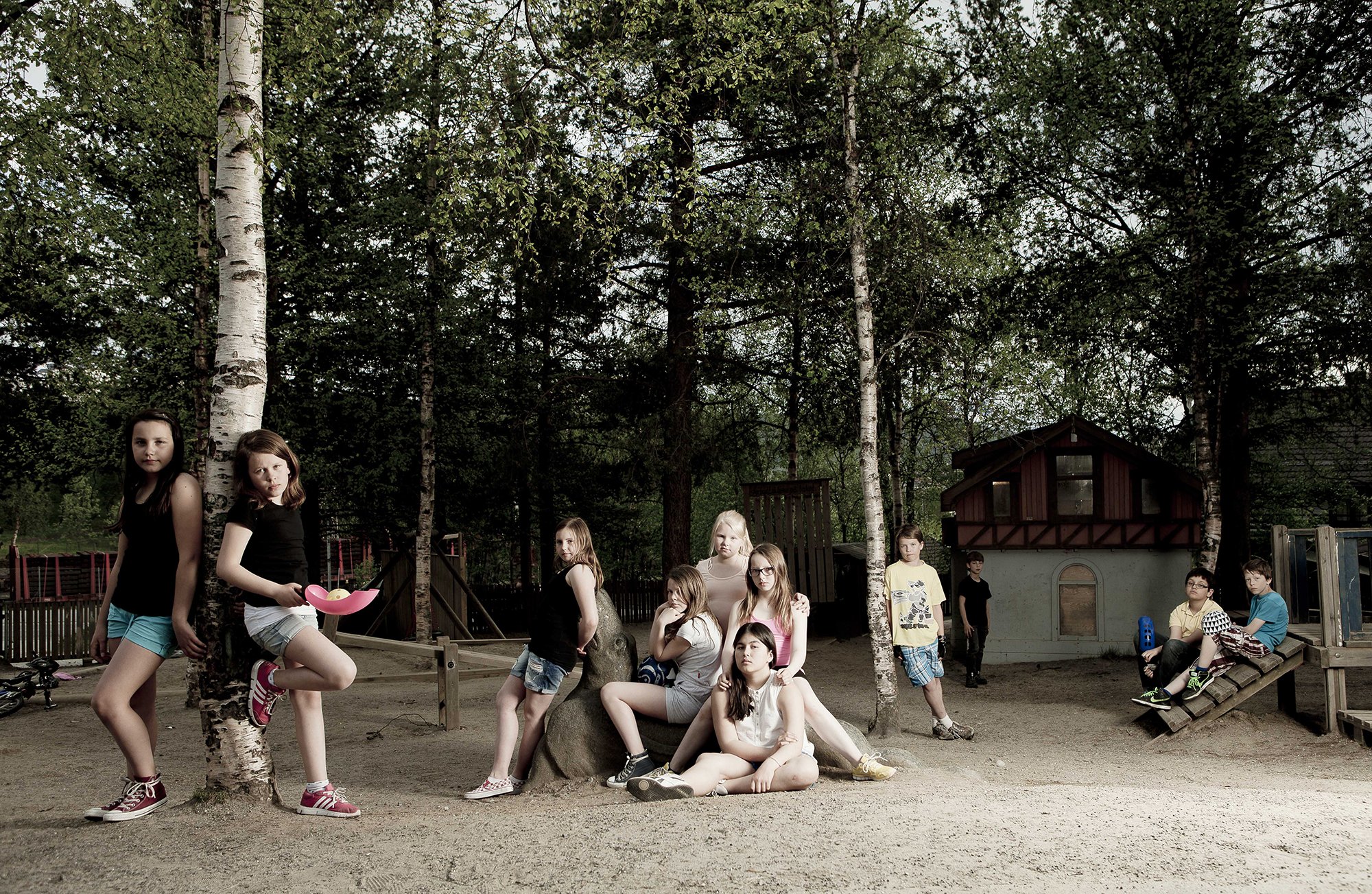
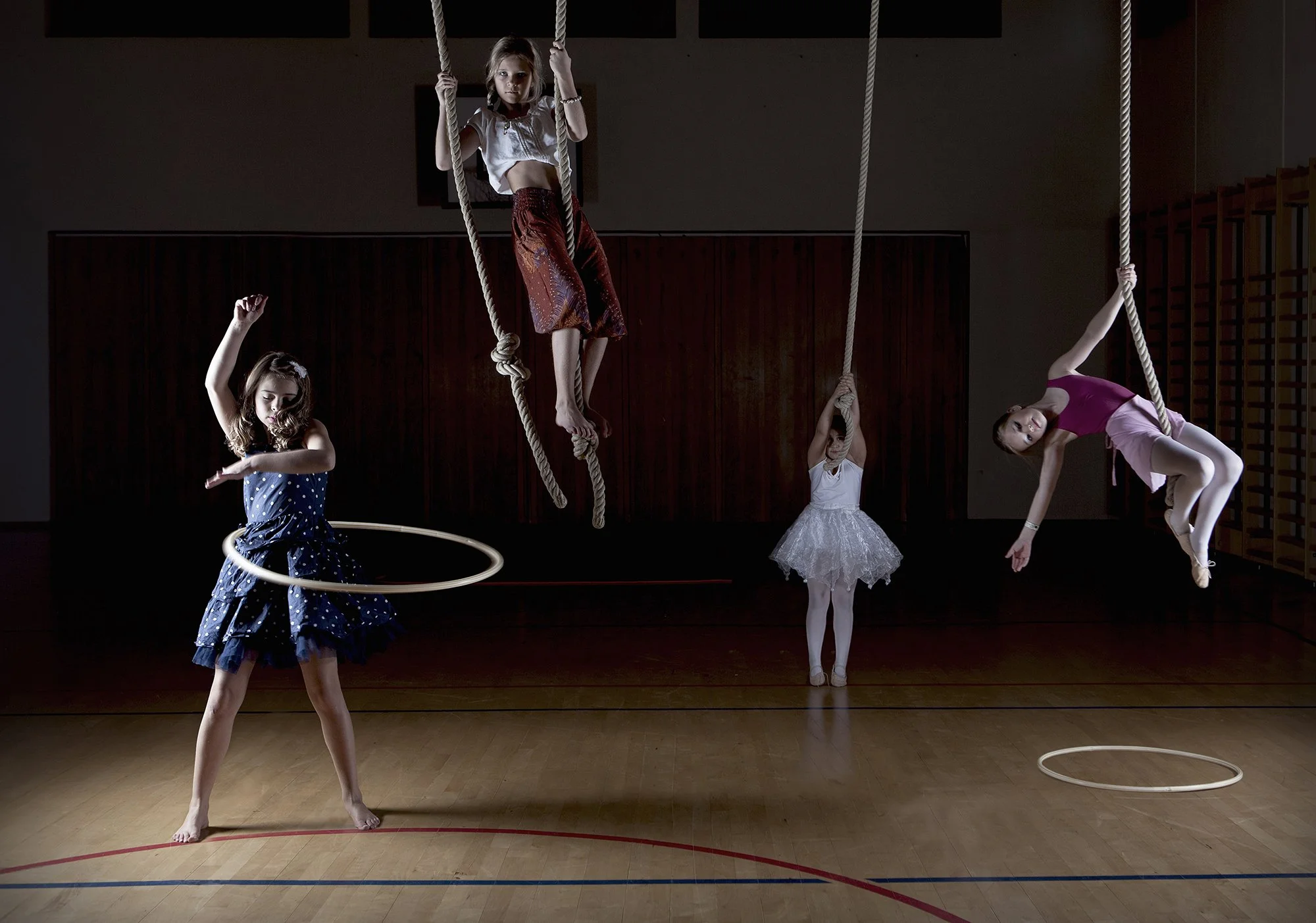
The images are independent individual works, they are part of an ongoing series and they can be displayed together or separately. The title immediately gives the impression of an analytical, scientific approach – one can imagine that something is to be observed, categorized or defined. The pictures show people in different situations.
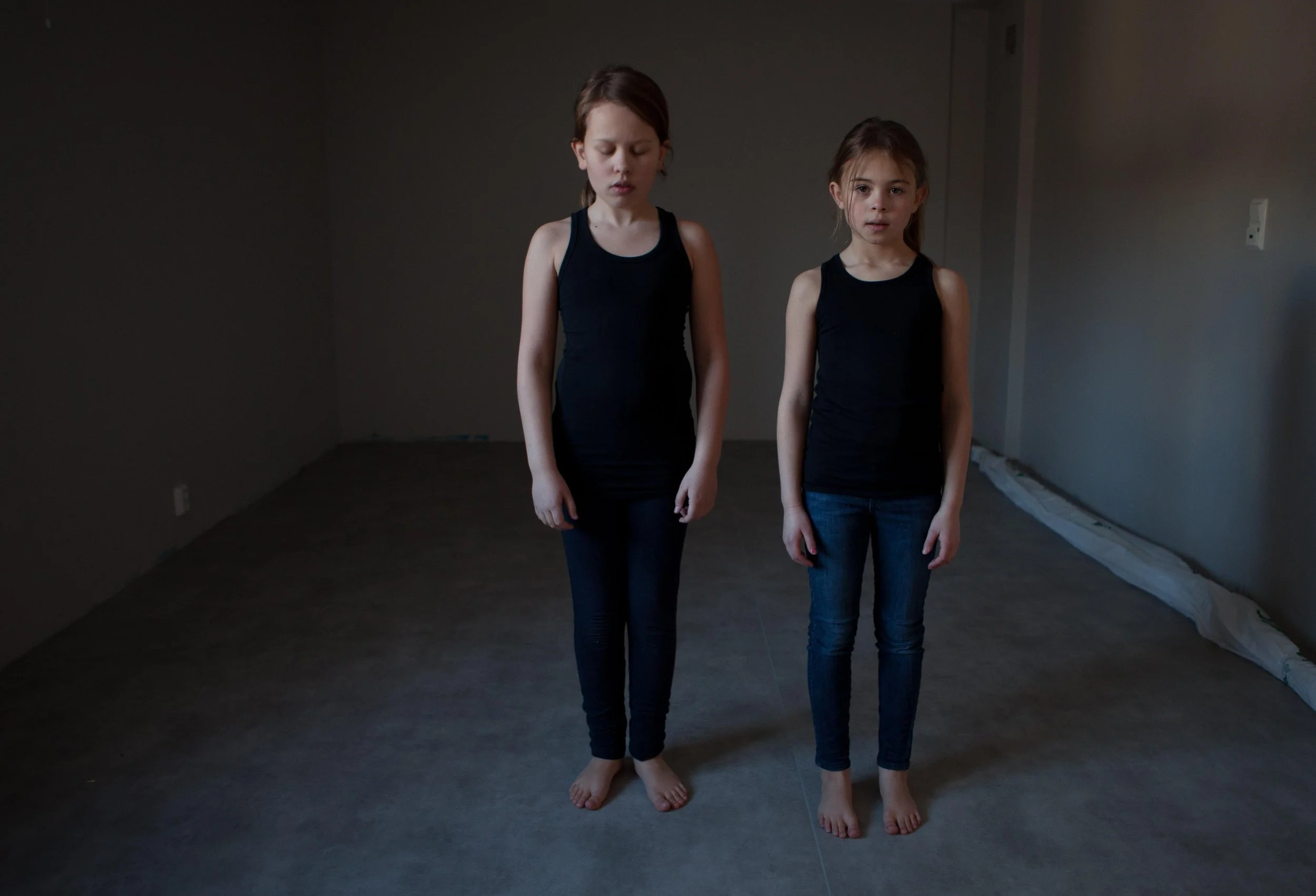
The people are observed through my gaze, but it quickly becomes clear that I am as much a director as an observer in my choice of subjects. This mixture of the observing gaze and the discreet direction creates a vital ambivalence, and the photographs can be experienced both as small windows into various events in the world, and as reflections of a personal emotional register.
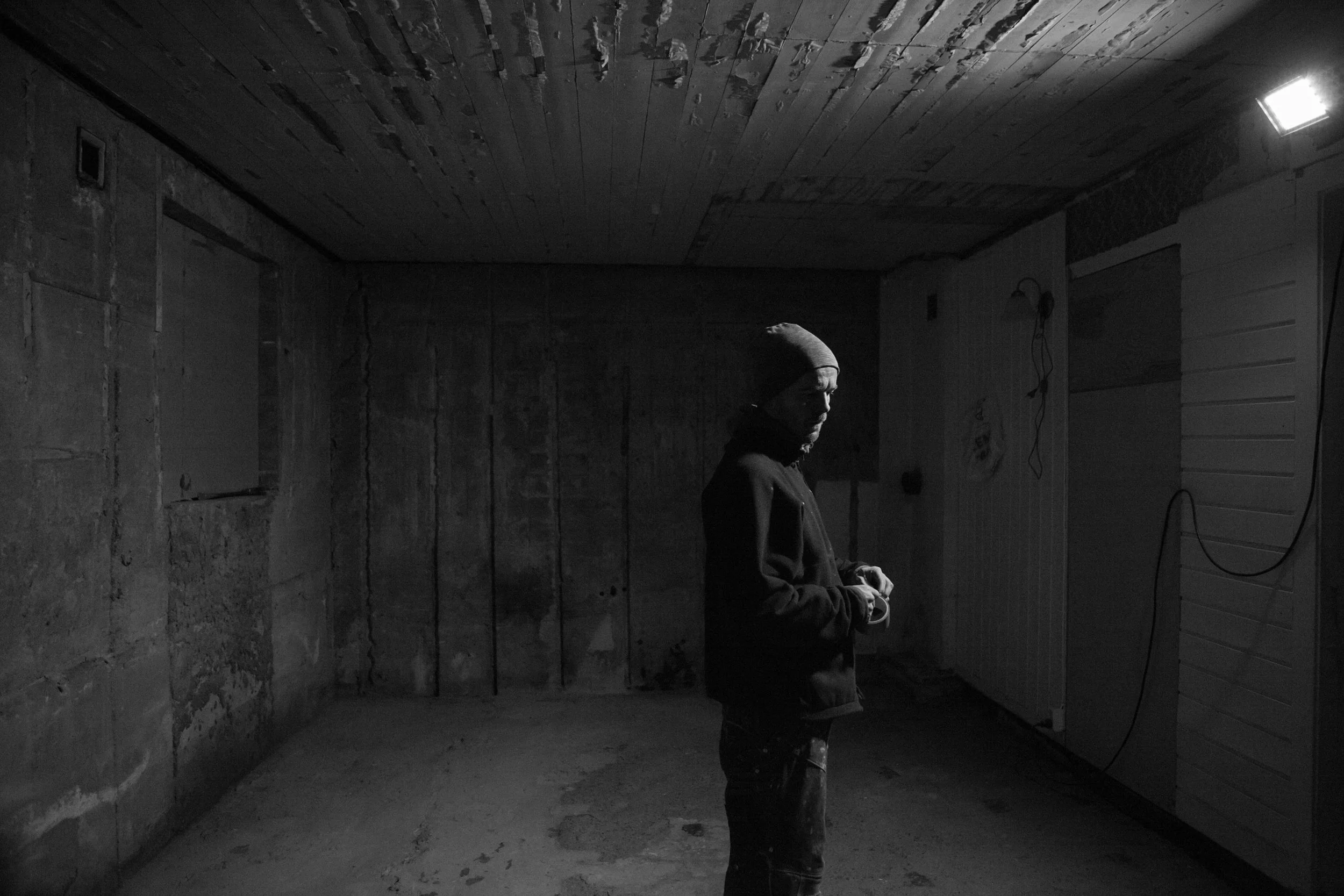
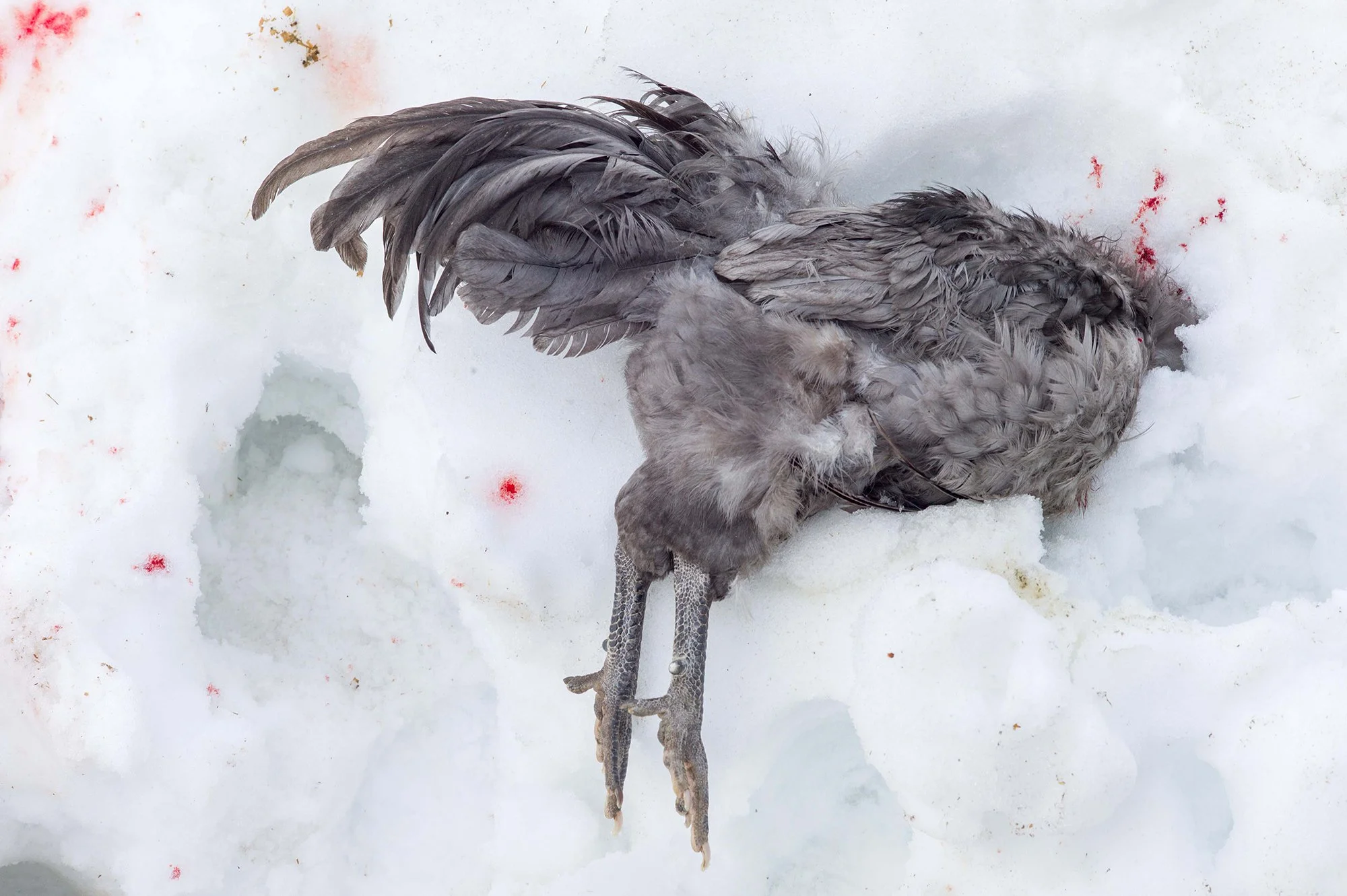
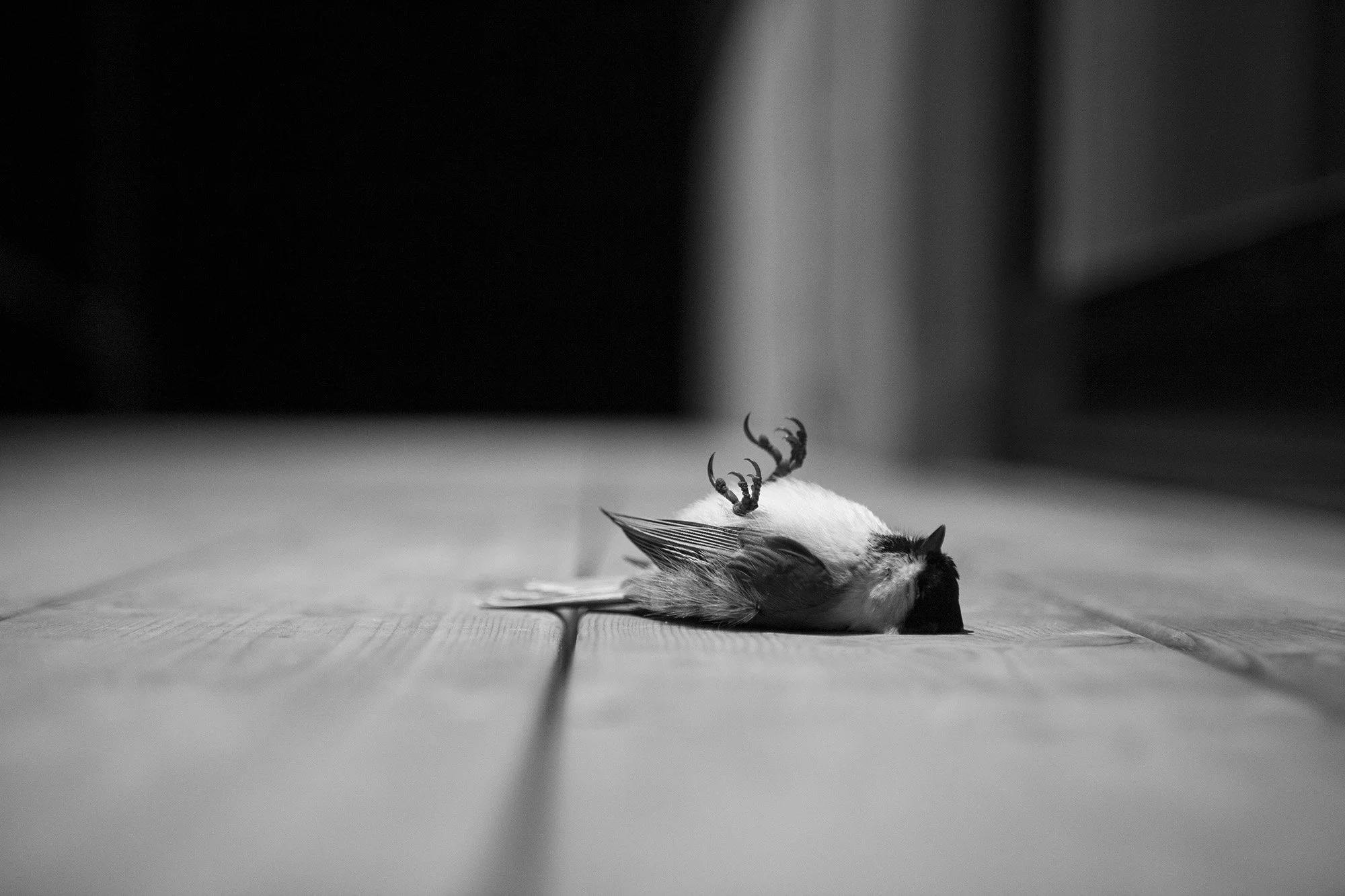
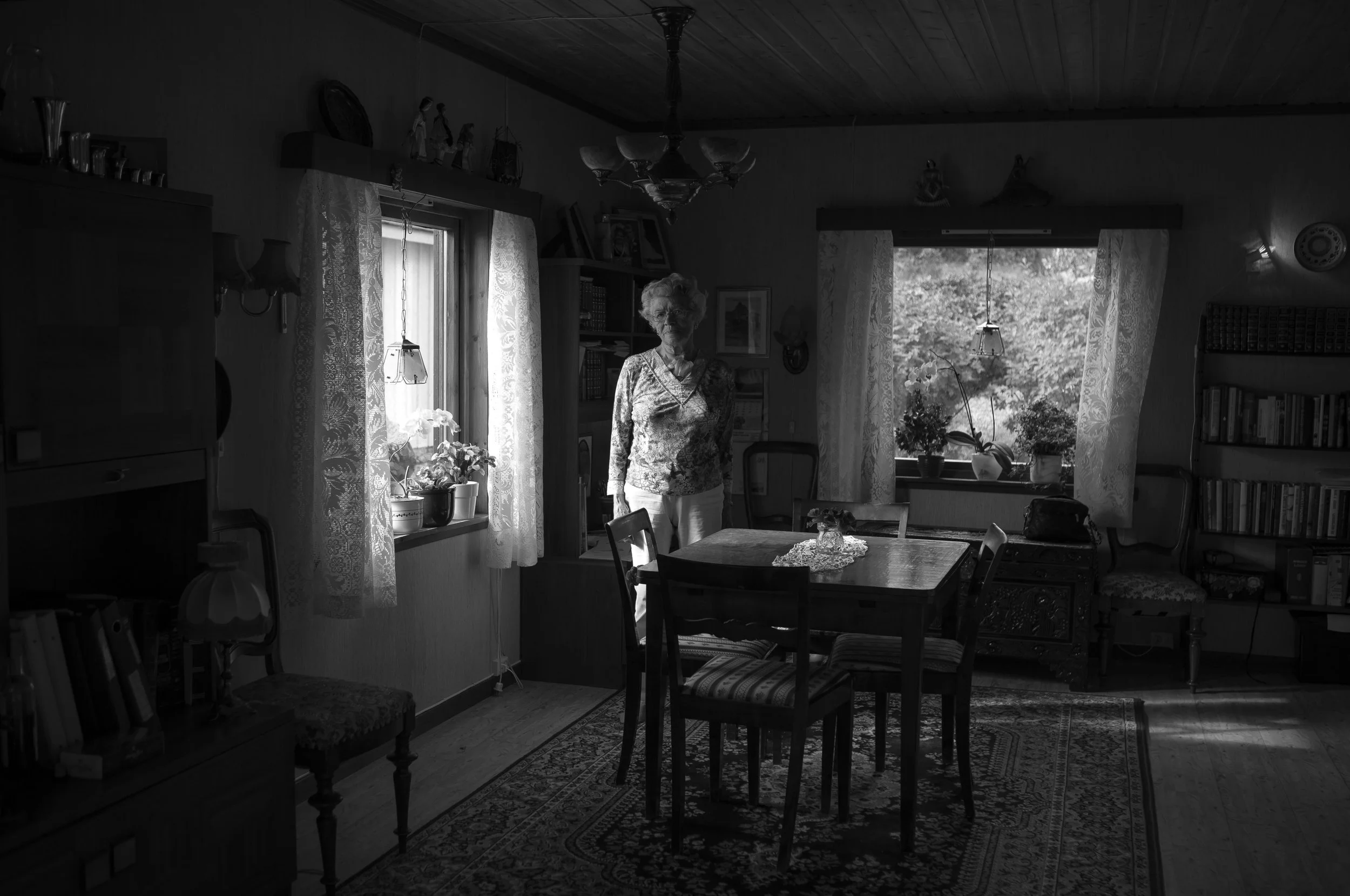
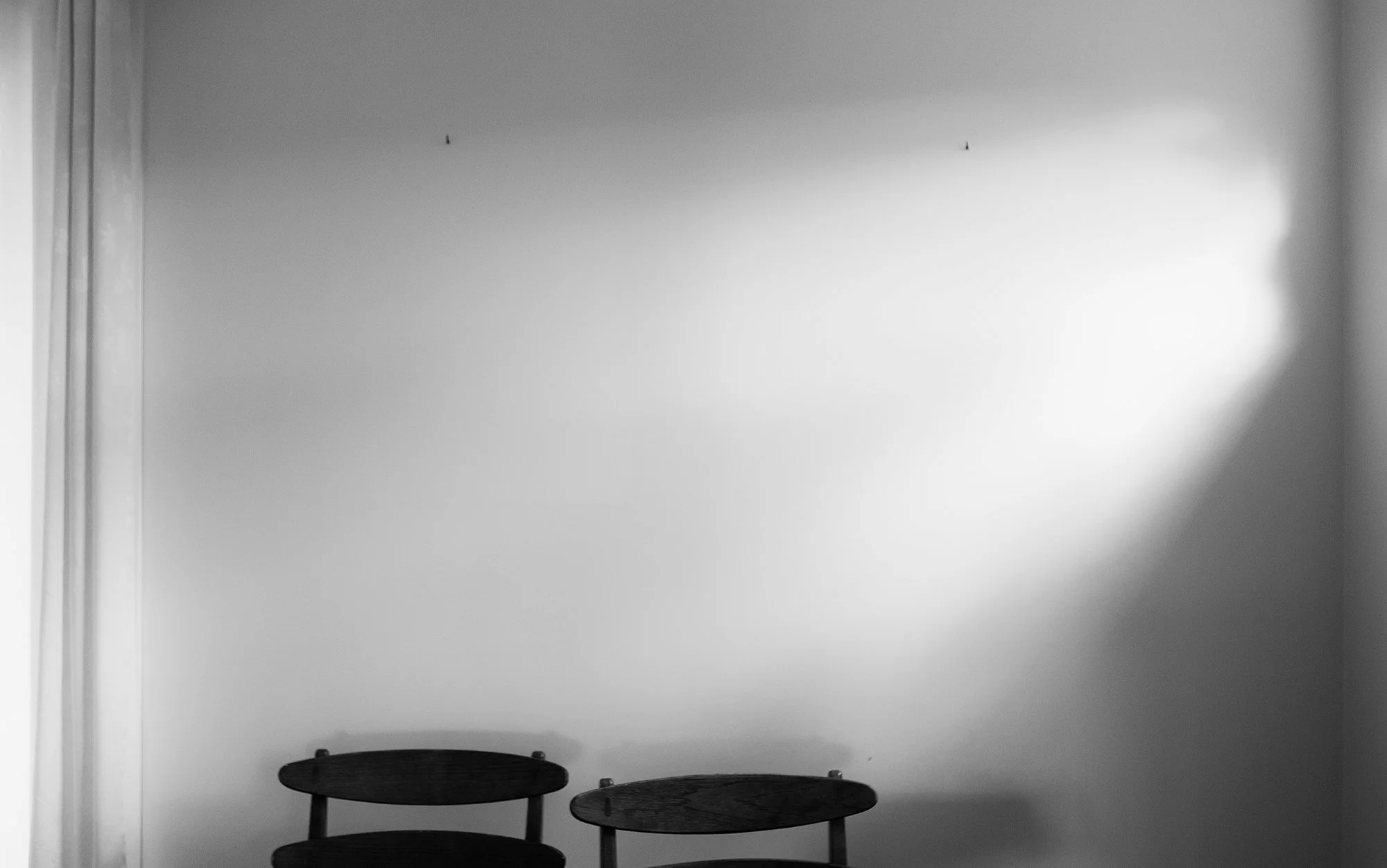
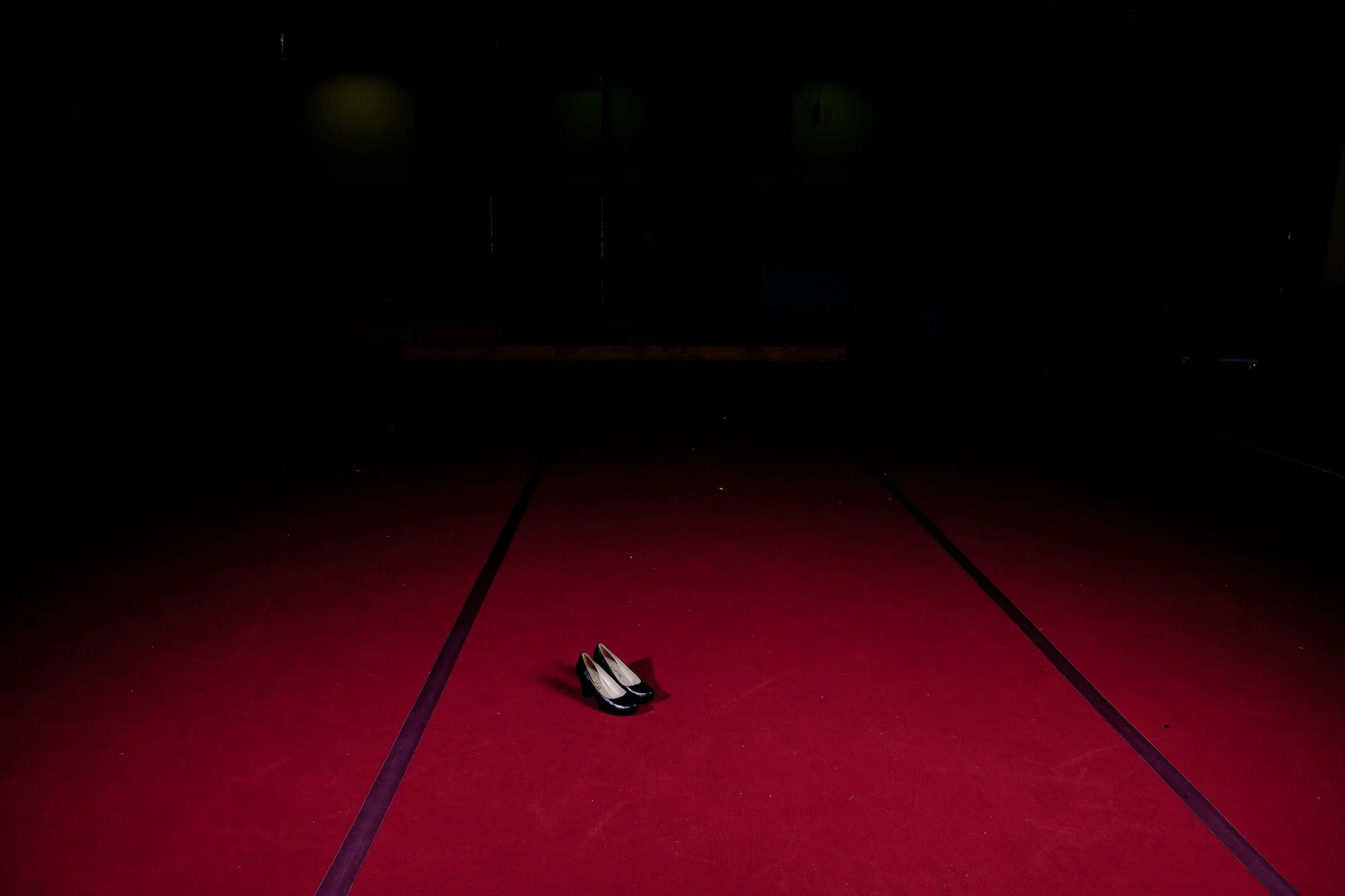
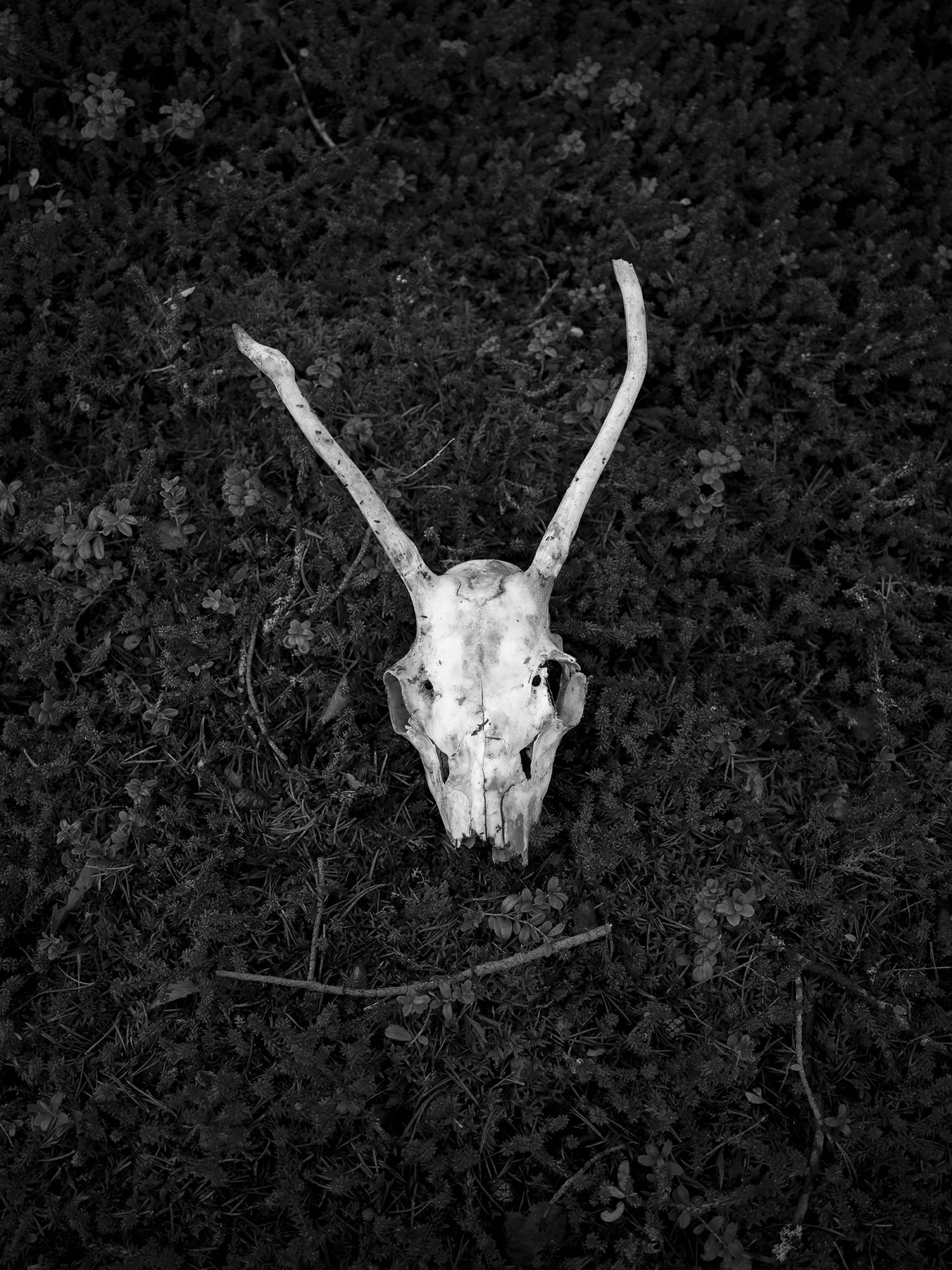
The photograph will always be a memory, or a witness to a moment that no longer exists. As the photographer presses the shutter, the event is written into history. I use the medium's inherent memento mori in my photographic series. The people depicted can be a bit reminiscent of ghosts where they exist reliably, in seemingly natural environments. The lighting in the photographs varies between extremely directed and natural, the subtle use of lighting communicates directly with the people and the moods.
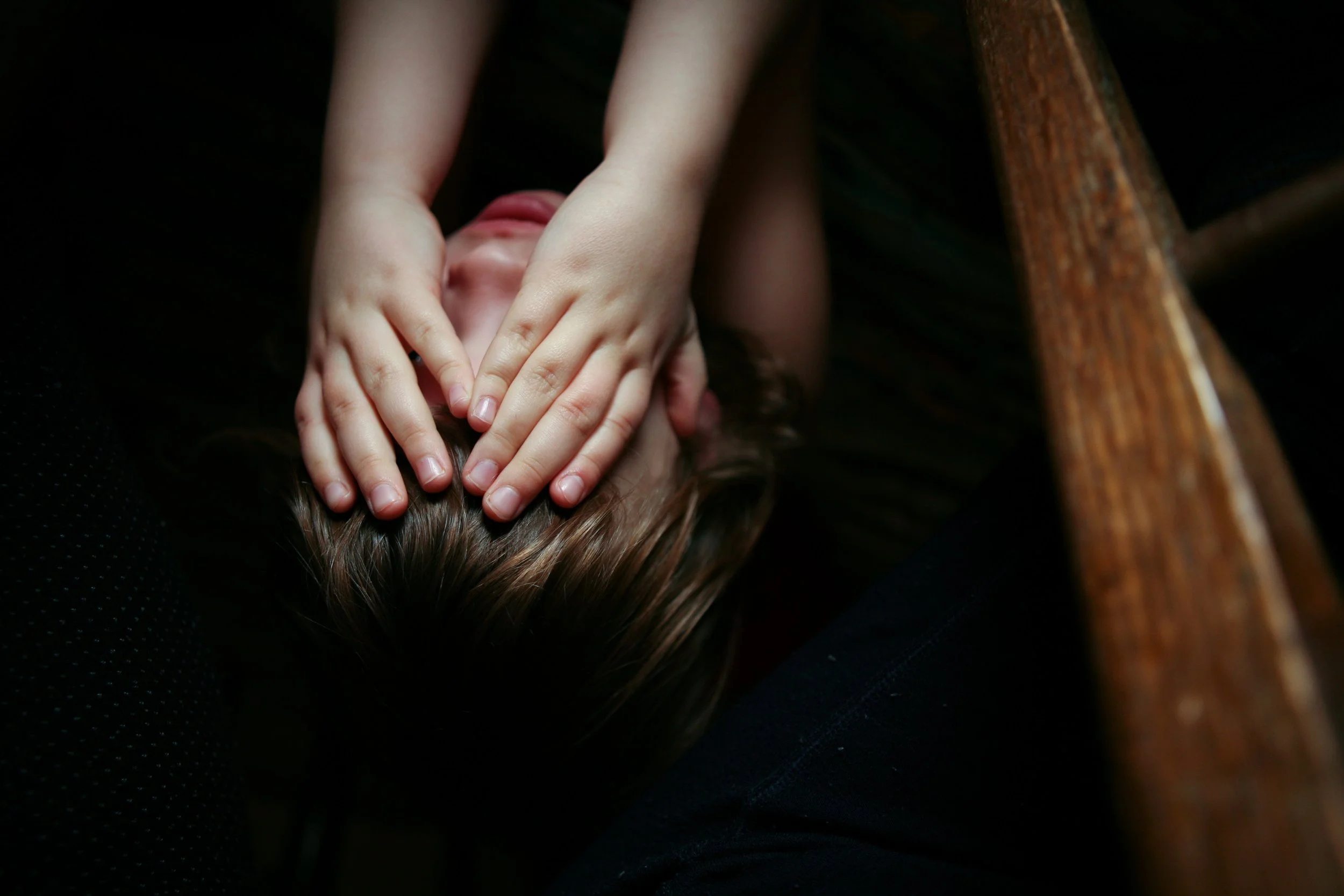
The use of light evokes associations with chiaroscuro, the 17th-century painting technique that used a single prominent light source in an otherwise dark room to model the scenario in the contrast between light and dark. In the series, most of the portrayed people look away, or close or cover their eyes. Why do they hide their gazes? Do they really not want to be photographed? Perhaps they are trying to evade the moment they become a photograph and are written into history, or perhaps they are just busy with their own, caught in an unguarded moment. The hidden gaze opens up the stories, and gives the viewer space to enter the photographs.